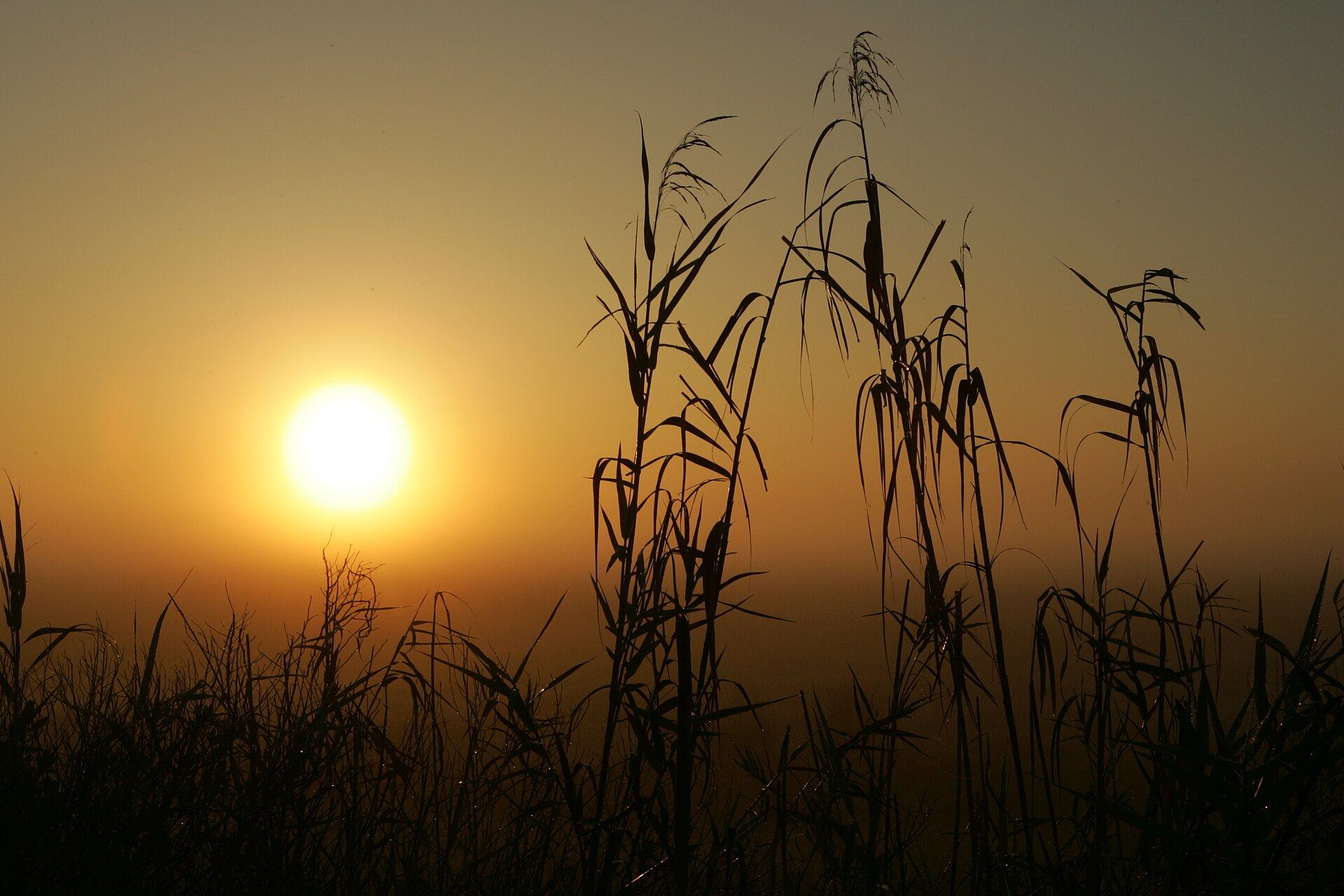
There’s something special happening along the Louisiana coast this time of year.
The mornings are getting cooler. The summer heat is finally beginning to ease. Shrimp and baitfish are moving through the marshes, and speckled trout and redfish are responding.
From Calcasieu Lake and the Cameron marshes to Vermilion Bay, the Terrebonne estuary, Grand Isle and the waters east of the Mississippi River, anglers have an opportunity to take advantage of one of the most interesting seasonal transitions of the year.
But here’s what makes fall fishing especially fascinating.
The fish don’t follow a calendar.
Just because October arrives doesn’t mean every trout abandons its summer home and heads into the interior marsh.
In fact, when water temperatures remain favorable and bait is plentiful, summer fishing patterns can linger well into fall.
And that creates opportunities for anglers willing to look beyond the usual seasonal playbook.
Don’t give up on your summer fishing spots just yet
Picture an old set of wooden pilings standing in a coastal bayou.
They might not look like much from the surface, but beneath the water, those pilings create current breaks, shelter baitfish and provide feeding opportunities for predators.
A school of speckled trout might be holding along the deeper edge while redfish cruise the nearby structure.
A simple paddletail swimbait worked through the area could produce one fish after another.
It’s a pattern that can occur anywhere along the Louisiana coast.
Whether you’re fishing the old structures around Big Lake, oyster reefs in Vermilion Bay, the shorelines of Timbalier Bay or the marshes surrounding Lake Borgne, the principle remains the same.
Find the bait. Find the structure. Pay attention to moving water.
And don’t assume a location has stopped producing simply because the season has changed.
From west to east: Louisiana’s fall fishing opportunities
Southwest Louisiana: Sabine Lake, Big Lake and Cameron
The waters of southwest Louisiana offer an incredible mix of marsh drains, oyster reefs, ship channels and shallow flats.
Around Sabine Lake, Calcasieu Lake (better known as Big Lake) and the Cameron marshes, fall can bring excellent opportunities for speckled trout and redfish.
Look for bait gathering around marsh drains, oyster reefs, channel edges and protected shorelines.
As the weather cools, trout may begin concentrating farther inside the estuaries, while redfish continue working shallow banks and marsh edges.
But don’t completely abandon the open-water reefs and summer structures when conditions remain favorable.
South-central Louisiana: Vermilion Bay, Cote Blanche Bay and Marsh Island
This stretch of coastline is a fascinating combination of shallow bays, oyster reefs, marsh shorelines and tidal passes.
The Shell Keys, Nickel Reef, Tiger Shoals and the waters surrounding Marsh Island are all worth watching as fall develops.
Wind direction and water clarity can make an enormous difference here.
A strong northerly wind may muddy one section of the bay while leaving another area relatively protected.
When baitfish are present and the water is moving, trout and redfish can continue feeding around familiar structure.
Sometimes the best decision isn’t traveling farther. It’s finding the right conditions closer to home.
Central Louisiana: Dularge, Cocodrie and Terrebonne Bay
The Terrebonne estuary offers an extraordinary variety of fishing environments.
From interior marsh lakes and bayous to the open waters around Lake Pelto, Timbalier Bay and the barrier islands, anglers can follow seasonal fish movement through an interconnected system.
During fall, marsh drains and bayou intersections become especially interesting as shrimp move with the tides.
But summer structure, including reefs, pilings and deeper edges, can remain productive during periods of mild weather.
The key is recognizing when fish are transitioning and when they’re still taking advantage of familiar feeding areas.
Southeast Louisiana: Grand Isle, Barataria and the Mississippi River Delta
Grand Isle, Barataria Bay, Lafitte and the waters around Empire, Buras and Venice offer another remarkable collection of fall fishing opportunities.
Oyster reefs, tidal passes, rock structures, marsh drains and barrier island shorelines can all attract feeding trout and redfish.
Areas around Four Bayou Pass and Scofield Island are worth studying when conditions permit.
As cold fronts become more frequent, fish may shift toward protected water and deeper channels.
But when warm weather lingers, don’t be surprised to find trout continuing to feed in locations associated with summer fishing.
Eastern Louisiana: Delacroix, Hopedale, Biloxi Marsh and Lake Borgne
East of the Mississippi River, the marshes and lakes provide countless opportunities to study the fall transition.
Bayou Bienvenue, the Great Wall, the Biloxi Marsh, Lake Borgne and the surrounding bayous contain a mixture of hard structure, oyster reefs, deeper channels and shallow marsh habitat.
Old pilings and current breaks can hold concentrations of trout and redfish when bait is present.
As shrimp move out of interior ponds and into larger waterways, the mouths of bayous and marsh drains can become especially productive.
It’s a reminder that some of the best fishing opportunities aren’t necessarily in the most obvious places.
Five things that matter more than the calendar
- Bait is everything. Shrimp, mullet and other baitfish are among the most important clues. If predators have a dependable food source, they may remain in an area longer than expected.
- Moving water creates opportunity. Incoming and outgoing tides can concentrate bait around points, reefs, pilings and marsh drains. Current direction and strength often matter as much as the location itself.
- Water clarity changes the game. Trout often respond well to cleaner water, but slightly stained water doesn’t automatically mean poor fishing. Redfish in particular can feed aggressively in water with limited visibility.
- Structure holds fish. Old pilings, oyster reefs, rock piles, channel ledges and submerged debris can create productive feeding areas. Understanding how current moves around these structures is often more valuable than simply knowing their GPS coordinates.
- Weather trends tell the bigger story. A single cool morning may not change much. Several cold fronts, sustained temperature drops and changing wind patterns can significantly influence fish movement. Pay attention to what has happened over the previous several days, not just the conditions when you launch.
A simple fall strategy for the entire coast
One of the best approaches during the fall transition is to keep an open mind.
Start with a location that has produced fish during the warmer months, especially if temperatures haven’t dropped significantly.
Look for bait and moving water.
Work a paddletail swimbait along pilings, reef edges or other structure. Experiment with retrieve speed and depth.
If the fish aren’t there, investigate nearby marsh drains, bayou intersections and protected shorelines.
As cold fronts become more frequent, begin looking toward deeper canals, bayous and areas offering more stable water temperatures.
And remember that Louisiana’s coastline is diverse. What works in Calcasieu Lake might need adjustment in Vermilion Bay or Breton Sound.
The principles are similar, but local conditions always matter.
The coast is always teaching us something
One of the things I appreciate most about fishing is that there’s always something new to learn.
You can fish the same shoreline for years and still discover something you never noticed before.
A subtle change in current.
A school of shrimp moving along the bank.
A few nervous baitfish around an old piling.
Sometimes the difference between an ordinary day and an unforgettable one is simply paying attention.
And the more time I spend outdoors, the more I realize that those lessons extend beyond fishing.
Patience. Curiosity. Adaptability. Appreciation.
They’re valuable qualities whether we’re navigating a marsh or navigating life.
Protecting the places we love
Louisiana’s coast is one of the most remarkable natural environments in the country.
It’s also constantly changing.
Coastal erosion, storms, saltwater intrusion and habitat loss continue to reshape the marshes, shorelines and waterways we enjoy.
As anglers, we have an opportunity, and a responsibility, to help protect these places.
Pick up discarded fishing line. Bring home your trash. Respect other anglers. Avoid damaging fragile marsh vegetation. Follow fishing regulations and practice responsible fish handling.
The goal isn’t simply to enjoy these waters today.
It’s to help ensure they’re here for the next generation.
One more cast. One more bayou. One more adventure.
Fall fishing along the Louisiana coast is about more than chasing speckled trout and redfish.
It’s about exploring familiar waters with fresh eyes.
It’s about understanding that nature doesn’t always follow our expectations.
And it’s about appreciating those moments when everything comes together: the weather, the tide, the bait and the fish.
Sometimes the best fishing isn’t somewhere new.
Sometimes it’s that old summer spot you almost passed by.
So whether you’re launching in Cameron, Cypremort Point, Cocodrie, Grand Isle or Hopedale, keep your eyes open and your curiosity alive.
There’s always something else to discover.
And maybe that’s the real meaning of One More…
One more cast. One more sunrise. One more reason to get outside.
Quit wishing and go fishing.
ONE MORE…
Exploring the outdoors. Appreciating the journey. Living with curiosity.